
Water Heater Repair and Replacement in [market_city], [market_state]
When your water heater stops working — or starts showing signs that it will — we diagnose the problem honestly and give you a clear path forward.
Service Request
"*" indicates required fields
Years Serving [market_city]



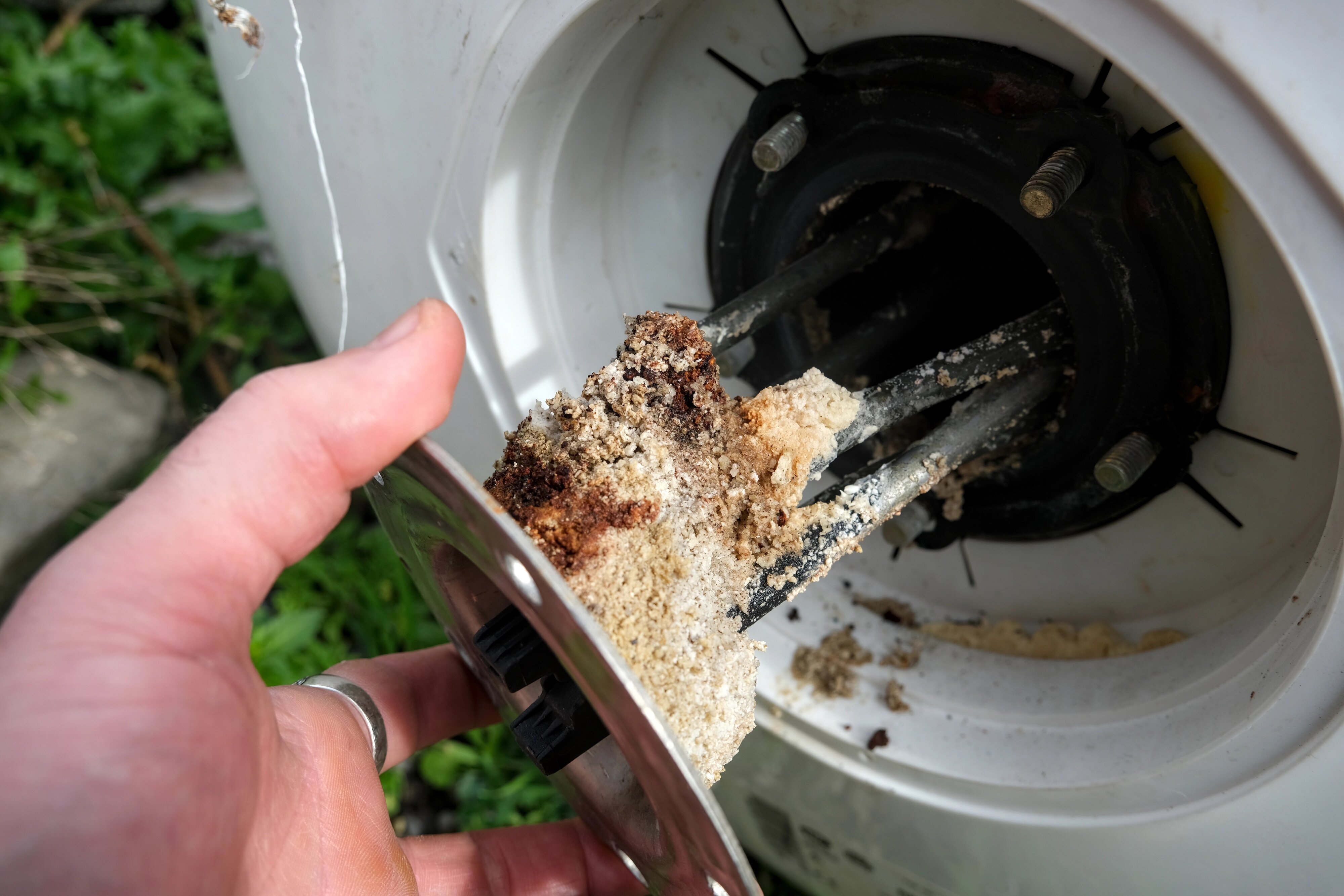
Most Water Heater Problems Give You Warning Signs First
A water heater that fails completely rarely does it without notice. Knowing what to look for gives you options. Catching a problem early means you can make a deliberate decision about repair or replacement rather than being forced into one by an emergency.
- No hot water, or water that runs lukewarm and drops off quickly
- Water that takes significantly longer than usual to heat up
- Rust-colored or discolored water coming from hot water taps
- Visible corrosion or rust around the tank fittings, pipe connections, or the base of the unit
- Popping, rumbling, or banging sounds during the heating cycle
- Water pooling around the base of the unit or moisture on the tank itself
Honest Answers on Repair vs. Replacement — Before Any Work Begins
The most common question we get on water heater calls is whether to repair or replace. The honest answer depends on a few things: the age of the unit, the nature of the problem, and whether the repair is likely to hold or just delay the inevitable.
We don’t have a financial interest in pushing you toward replacement when a repair will solve the problem. We also won’t recommend a repair on a unit that’s likely to fail again in six months. You’ll get our honest take on which makes more sense for your situation, with the numbers to back it up.
Diagnosis before recommendation — we inspect the unit and identify the actual cause before suggesting a course of action
Repair when it makes sense — if the problem is isolated and the unit has useful life remaining, repair is often the right call
Replacement when it doesn’t — corrosion on the tank itself, a failing unit past its expected lifespan, or repeated repairs that haven’t held are all indicators that replacement is the better long-term value
Clear written estimates for either path so you can make a confident, informed decision
You’ll receive a written summary of what we found and recommendations for next steps, with no pressure to commit to anything on the spot. Same-day and next-day appointments are regularly available in [market_city] for water heater calls.
Water Heater Services in [market_city]
Drain and sewer issues have a way of happening at the worst times — a holiday weekend, the morning of a family gathering, during a home sale. We treat those calls with the urgency they deserve and give you straight answers on what it will take to fix it.
Water Heater Repair
If your water heater is underperforming, making noise, or showing early signs of trouble — but isn’t at the end of its useful life — repair is often the right first step. We diagnose the specific problem and fix it, with honest guidance on whether the repair makes long-term sense for your unit.
Water Heater Replacement
When a water heater is past its expected lifespan, showing significant corrosion, or has failed in a way that repair can’t reliably address, replacement is the better long-term investment. We help you choose the right unit for your home’s needs and handle the full installation.
Not sure which you need? That’s exactly what our diagnostic visit is for. We’ll inspect the unit, explain what we find, and give you an honest recommendation — repair or replace — with no obligation to proceed on the spot.
Why [market_city] homeowners call [company] for Water Heater services
Lorem ipsum dolor sit amet consectetur adipiscing elit. Sit amet consectetur adipiscing elit quisque faucibus ex. Adipiscing elit quisque faucibus ex sapien vitae pellentesque.
Name
[market_city], [market_state]
Lorem ipsum dolor sit amet consectetur adipiscing elit. Sit amet consectetur adipiscing elit quisque faucibus ex. Adipiscing elit quisque faucibus ex sapien vitae pellentesque.
Name
[market_city], [market_state]
Lorem ipsum dolor sit amet consectetur adipiscing elit. Sit amet consectetur adipiscing elit quisque faucibus ex. Adipiscing elit quisque faucibus ex sapien vitae pellentesque.
Name
[market_city], [market_state]
Proudly Serving [market_city] and the Surrounding Area
[company] provides plumbing services to homeowners across [market_city] and the communities nearby. If you don’t see your area listed, give us a call — chances are we can help.
Frequently Asked Questions about Water Heater Services in [market_city]
The honest answer is that it depends on the age of the unit and the nature of the problem. A water heater that’s less than eight years old with an isolated issue — a failed heating element, a faulty thermostat, a corroded fitting — is usually worth repairing. A unit that’s 10 or more years old, showing corrosion on the tank itself, or requiring its second or third repair is often better replaced. We’ll give you our honest read on which category your situation falls into when we come out.
It usually means corrosion somewhere in the system. The source matters — corrosion at the pipe connections or fittings is often a targeted repair, while rust inside the tank itself typically indicates the unit is deteriorating from the inside and replacement is likely the right call. Either way it’s worth having someone look at it soon, because corroded components can fail and corrosion inside the tank only progresses over time.
That sound is usually sediment — mineral deposits that settle at the bottom of the tank over time and get disturbed during the heating cycle. It’s a sign the unit is working harder than it should to heat water, which affects efficiency and can shorten the unit’s lifespan. Depending on the severity and the age of the unit, it may be addressable with a flush or may indicate the unit is nearing the end of its useful life. We’ll tell you which after we take a look.
A standard tank water heater typically lasts 8 to 12 years with normal use. Tankless units generally last longer. Factors like water hardness, usage volume, and whether the unit has been maintained regularly all affect lifespan. If your unit is in that 8 to 12 year range and starting to show symptoms, it’s worth having it assessed before it fails completely — catching it early gives you more options than waiting for a cold shower to force the decision.
Yes. If you’re replacing an existing unit and want to explore tankless options, we’ll walk you through the differences — how they work, what they cost, and whether your home’s setup is a good fit. Tankless units have a higher upfront cost but longer lifespan and lower operating costs over time. We’ll give you an honest comparison so you can decide what makes sense for your situation.
Back to Hot Water